Blog
News, tutorials, success stories, and insights from the Transkribus community.
Success Stories
View all →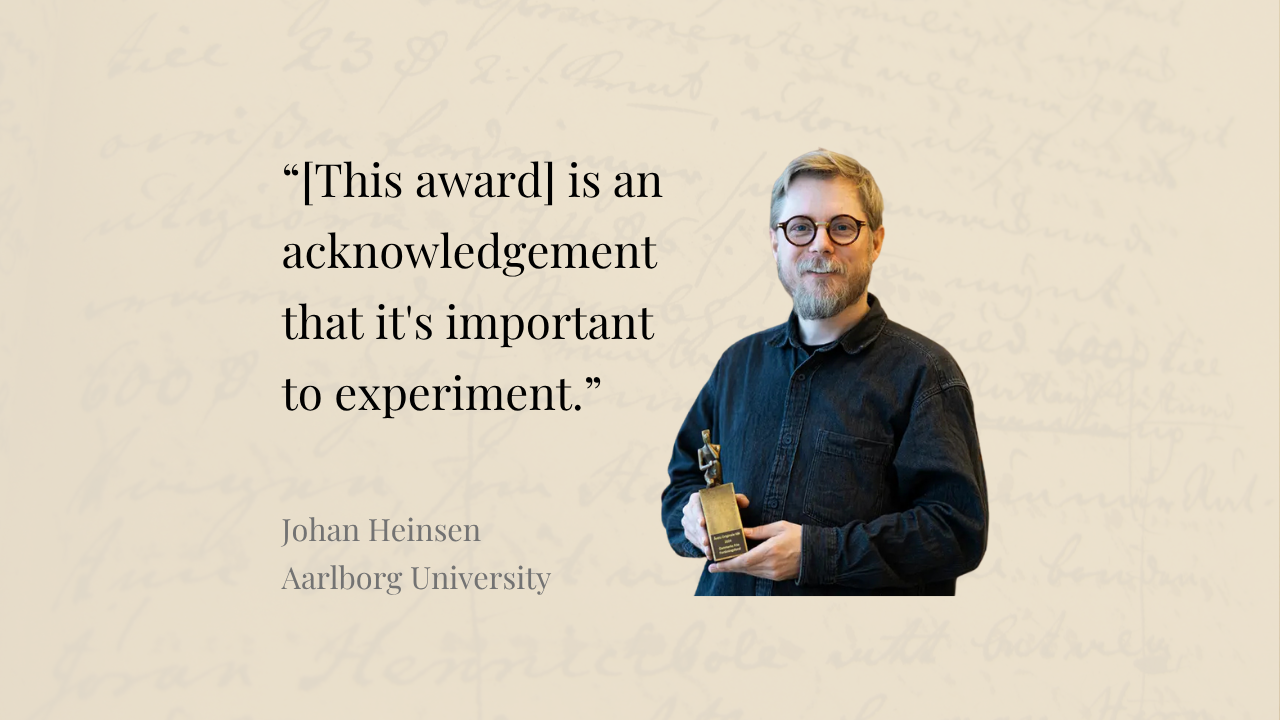
Enevældens Nyheder Online: An award-winning project to create digital versions of historical newspapers
If you wanted to study social control under absolutist rule, there are many historical sources that could be of interest. Administrative records, land registers, and royal decrees are just some of...
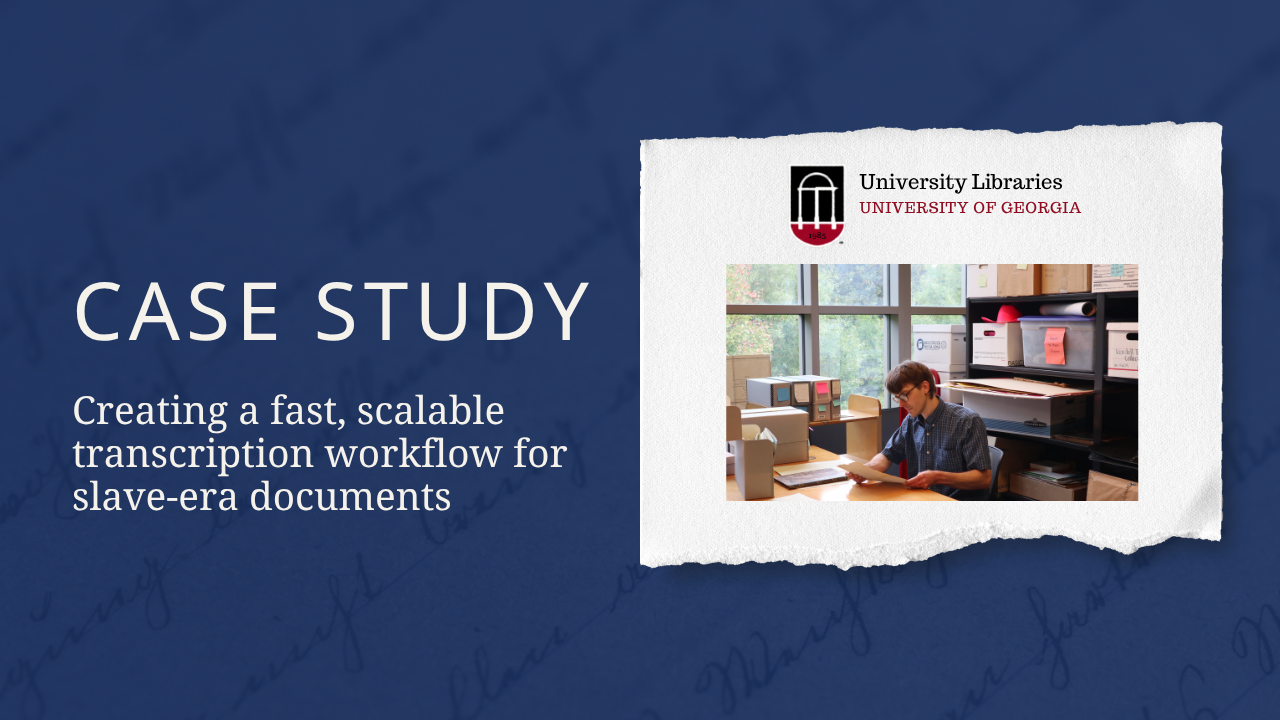
Sustainable efficiency: How the University of Georgia transcribed 20,000 pages in two months
The Finding Their Names: Discovery and Description of Enslavement Events project is a major initiative by the Hargrett Rare Book and Manuscript Library at the University of Georgia. Funded by a...
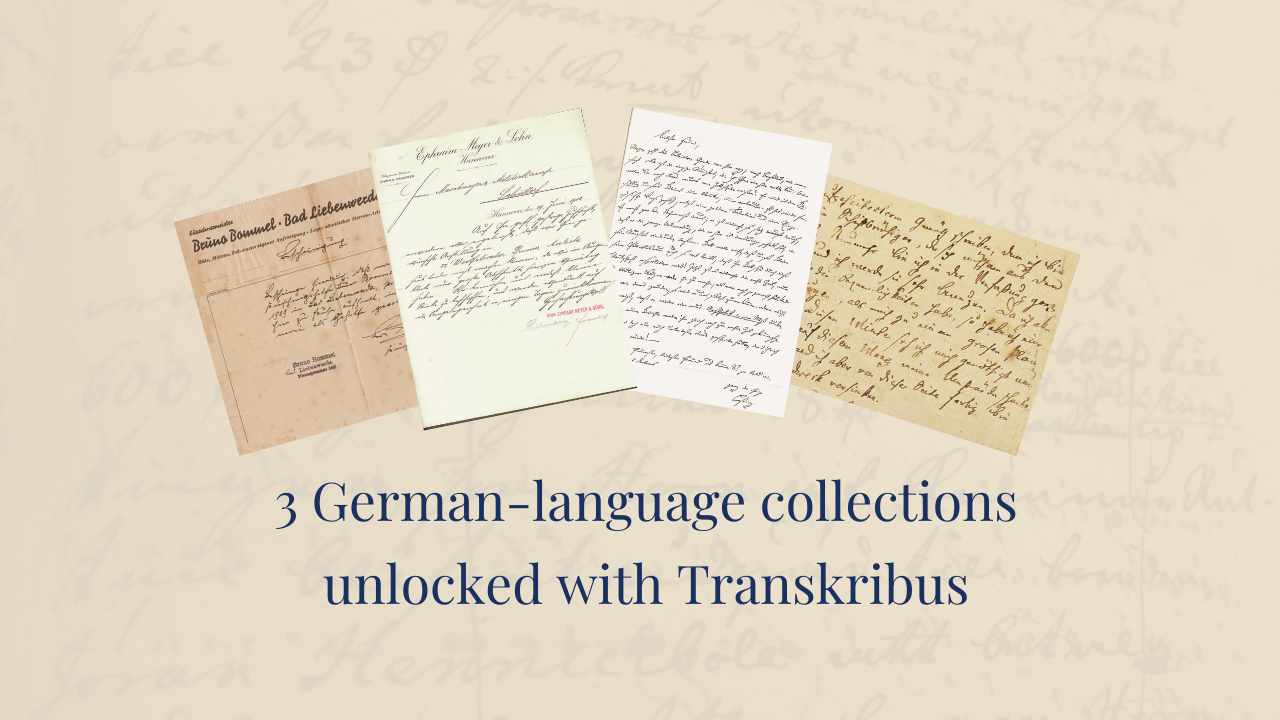
AI Made for German: Unlocking German-language archives with Transkribus
Most AI transcription tools are designed with English-language material as their default setting. They excel at modern printed text and increasingly handle contemporary handwriting, but historical...
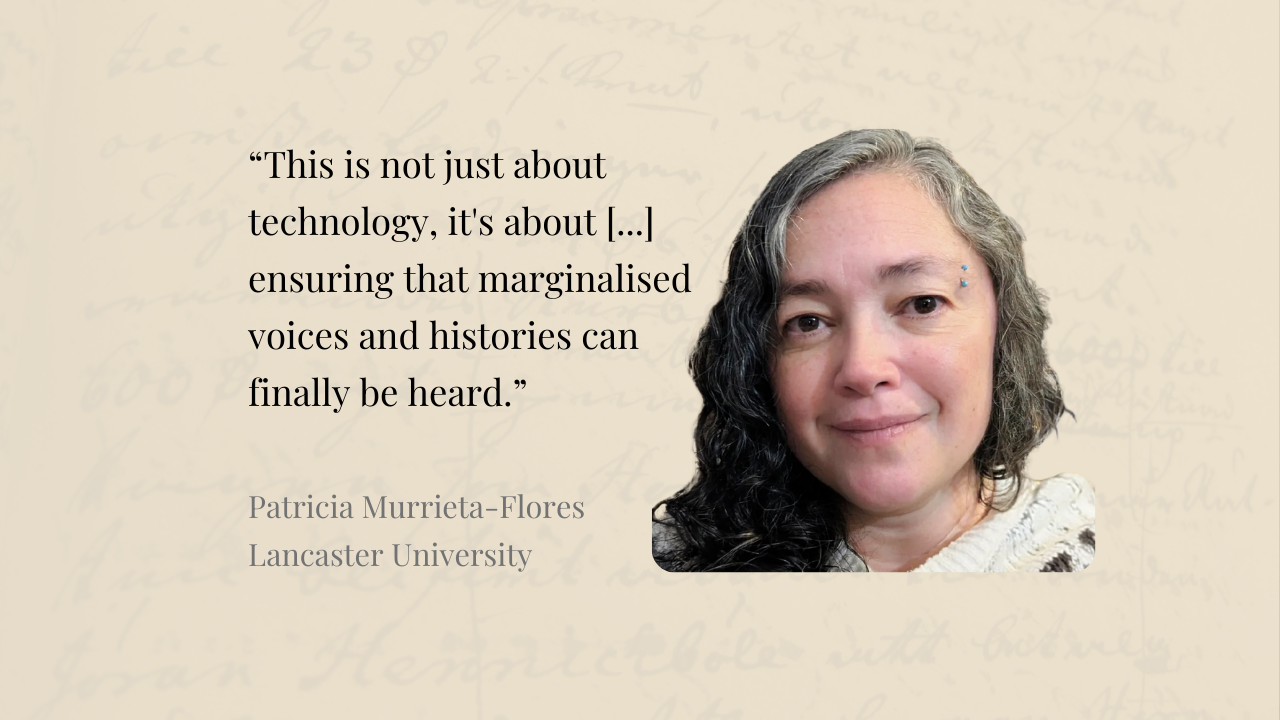
Unlocking the secrets of the New Spain Fleets with Patricia Murrieta-Flores
Historians of colonial Latin America don’t suffer from a lack of primary sources. Across archives in Europe and the Americas lie millions of pages documenting the colonial maritime routes known as...
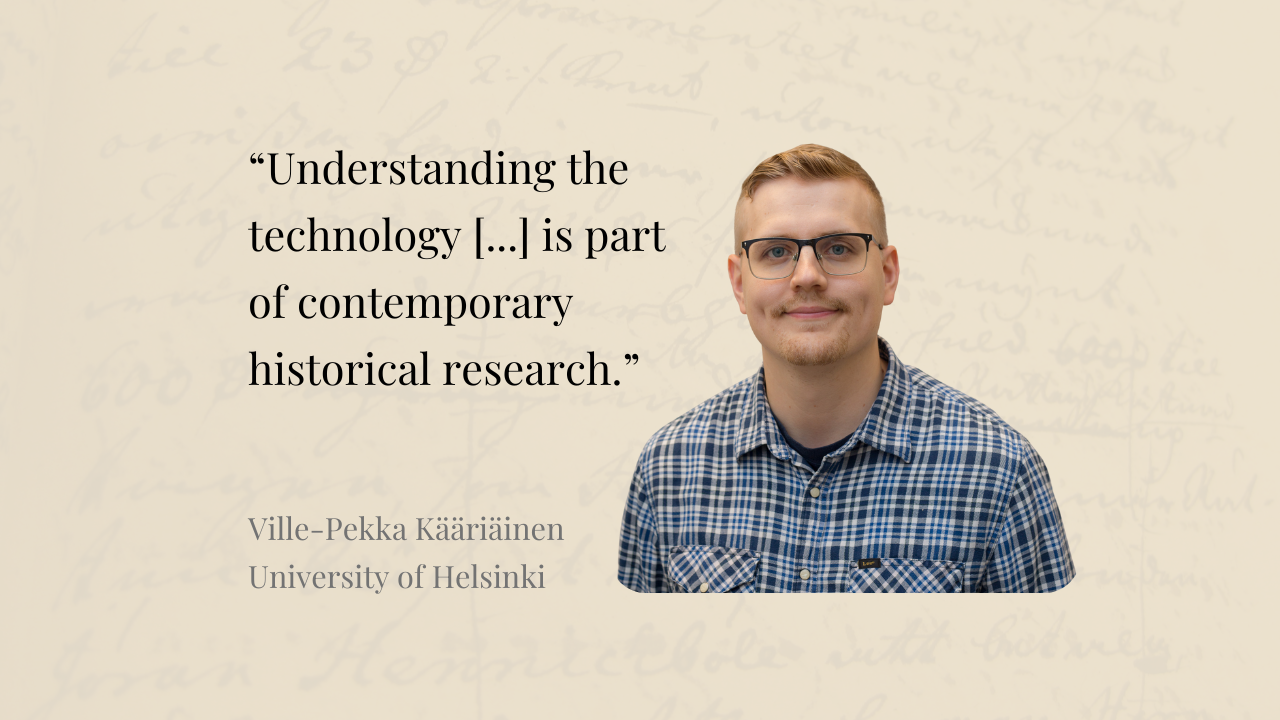
How the University of Helsinki teaches Transkribus to students
Text recognition and AI are quickly becoming essential tools for historians, offering powerful ways to study, process, and access huge collections of archival material. To make sure the next...
Most Popular
Charting new waters: How 3 projects opened up maritime archives with AI transcription
Maritime history is a field that explores humanity's relationship with the oceans, seas, and waterways of the world. While ships and naval battles are the focus of some maritime historians, others...

What are Super Models and how do they work?
The Text Titan, the English Elder, the Dutch Dean: Super Models are one of the most important developments in Transkribus. Why? Because Super Models produce more accurate transcriptions of diverse...
3 Archives that unlocked history with Transkribus
All Articles
374 articles
Sustainable efficiency: How the University of Georgia transcribed 20,000 pages in two months
The Finding Their Names: Discovery and Description of Enslavement Events project is a major initiative by the Hargrett Rare Book and Manuscript Library at the University of Georgia. Funded by a...
AI Made for German: Unlocking German-language archives with Transkribus
Most AI transcription tools are designed with English-language material as their default setting. They excel at modern printed text and increasingly handle contemporary handwriting, but historical...
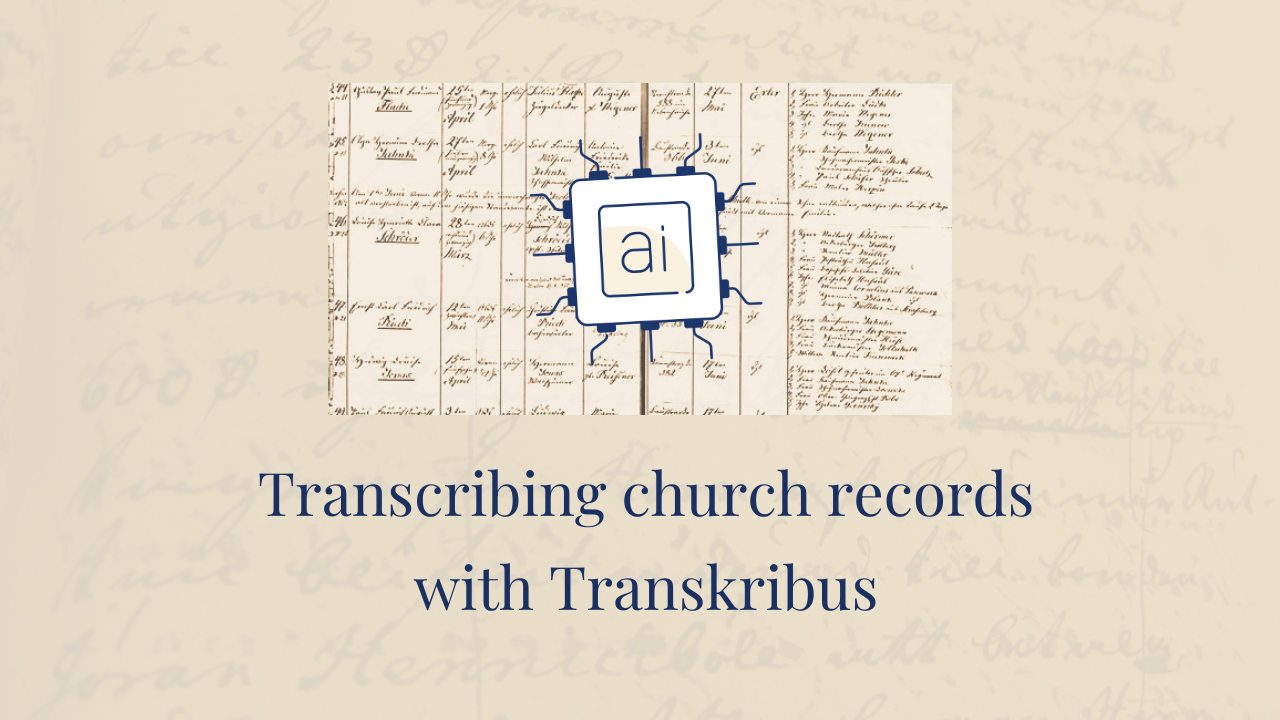
How to transcribe church records with Transkribus
For centuries, local churches and parishes have been responsible for keeping track of life’s big milestones—baptisms, marriages, and burials. Today, these records are valuable historical resources,...
Unlocking the secrets of the New Spain Fleets with Patricia Murrieta-Flores
Historians of colonial Latin America don’t suffer from a lack of primary sources. Across archives in Europe and the Americas lie millions of pages documenting the colonial maritime routes known as...
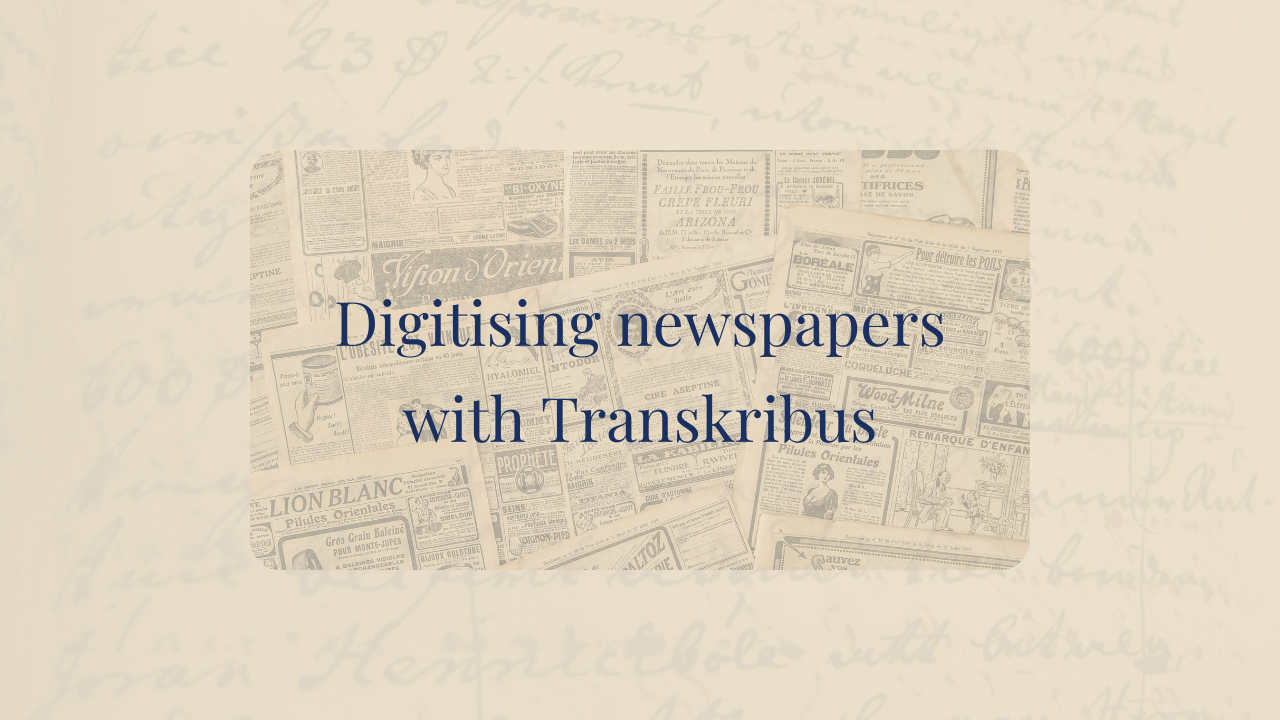
How to digitise newspapers with Transkribus
Historical newspapers are valuable resources for anyone looking to understand the past. They offer a day-by-day account of life, capturing everything from major political shifts to local...
Bringing AI back to the community: The Transkribus vision for 2026
The past few years have been defined by an unprecedented AI boom. Large Language Models (LLMs) such as Gemini and ChatGPT have amazed us with their ability to predict text and generate transcriptions...
How the University of Helsinki teaches Transkribus to students
Text recognition and AI are quickly becoming essential tools for historians, offering powerful ways to study, process, and access huge collections of archival material. To make sure the next...
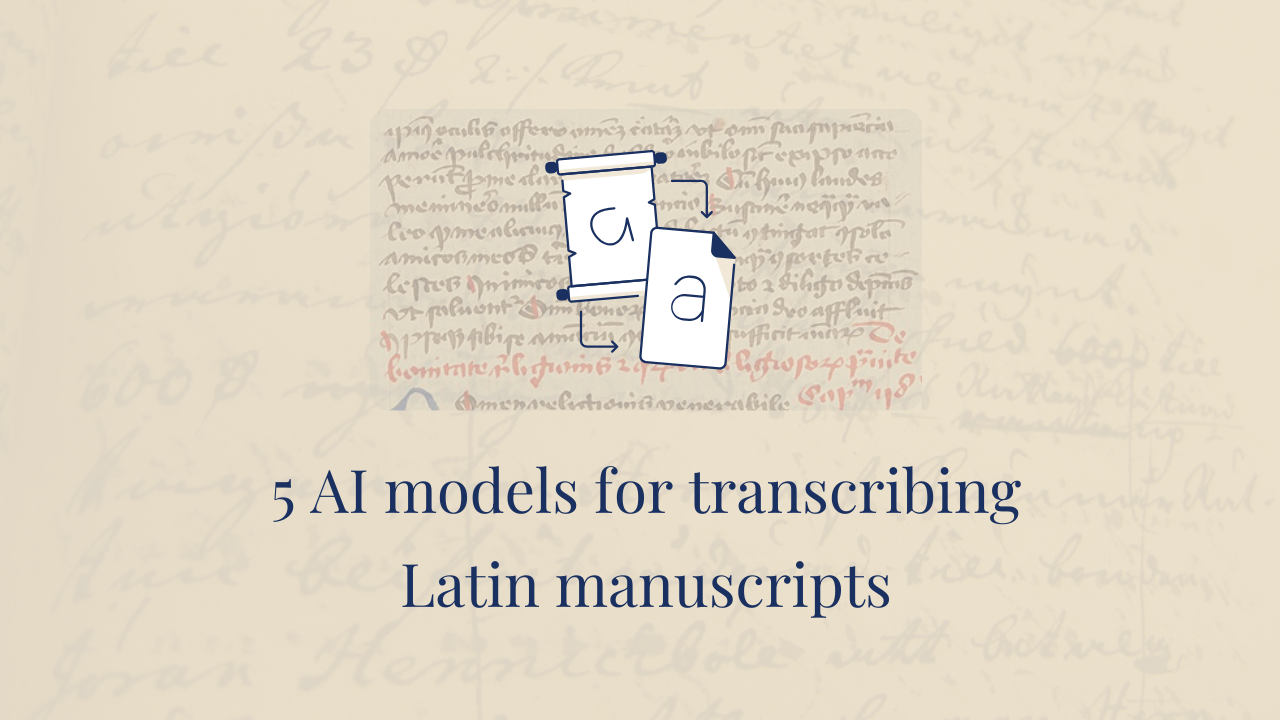
How to read Latin manuscripts with AI
Latin, the language that connected Europe for 2,000 years, is still key to studying history, law, and science. Even though the language itself is well-known, the numerous scripts used to write it...
How the German Archives for Diaries preserve personal history for future generations
The German Archives for Diaries (Deutsches Tagebucharchiv, DTA) in Emmendingen has one core mission: Collecting and archiving autobiographical records and making them accessible for academic and...
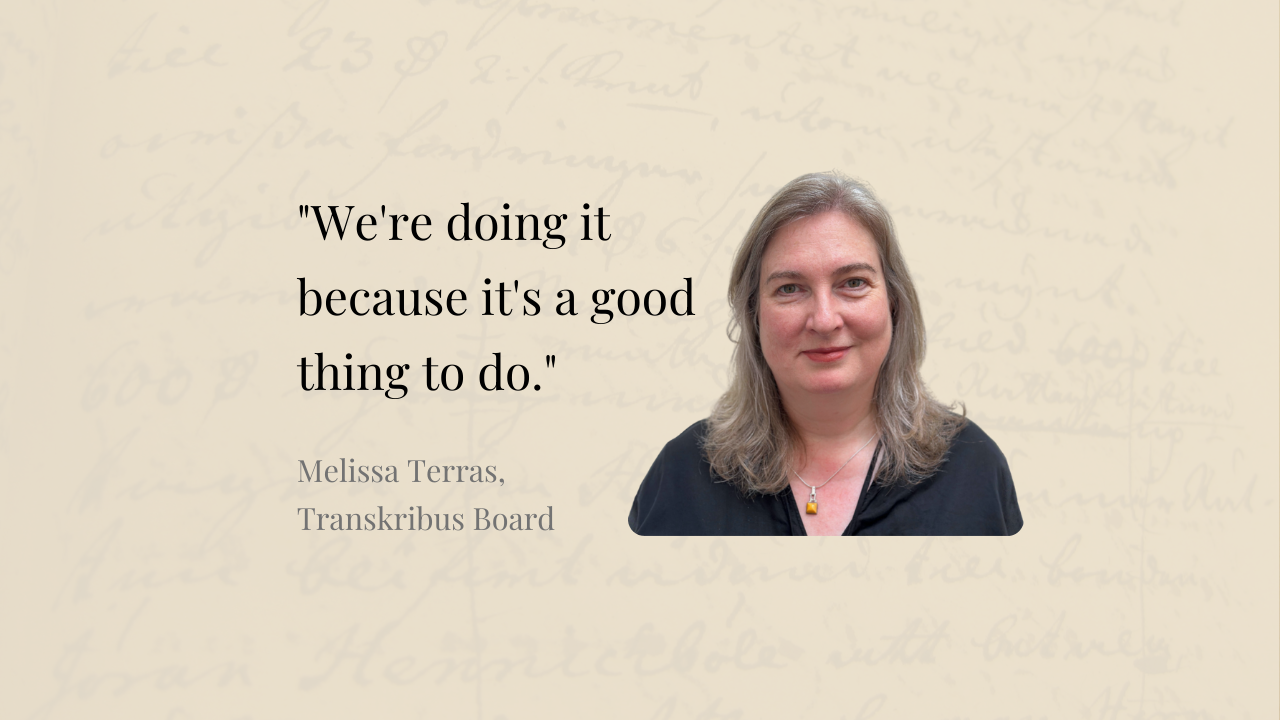
Melissa Terras on why cooperatives are the future of AI
Transkribus is run not by a company, but by a cooperative: READ-COOP. And according to board member Melissa Terras, it might be the only AI cooperative in existence.
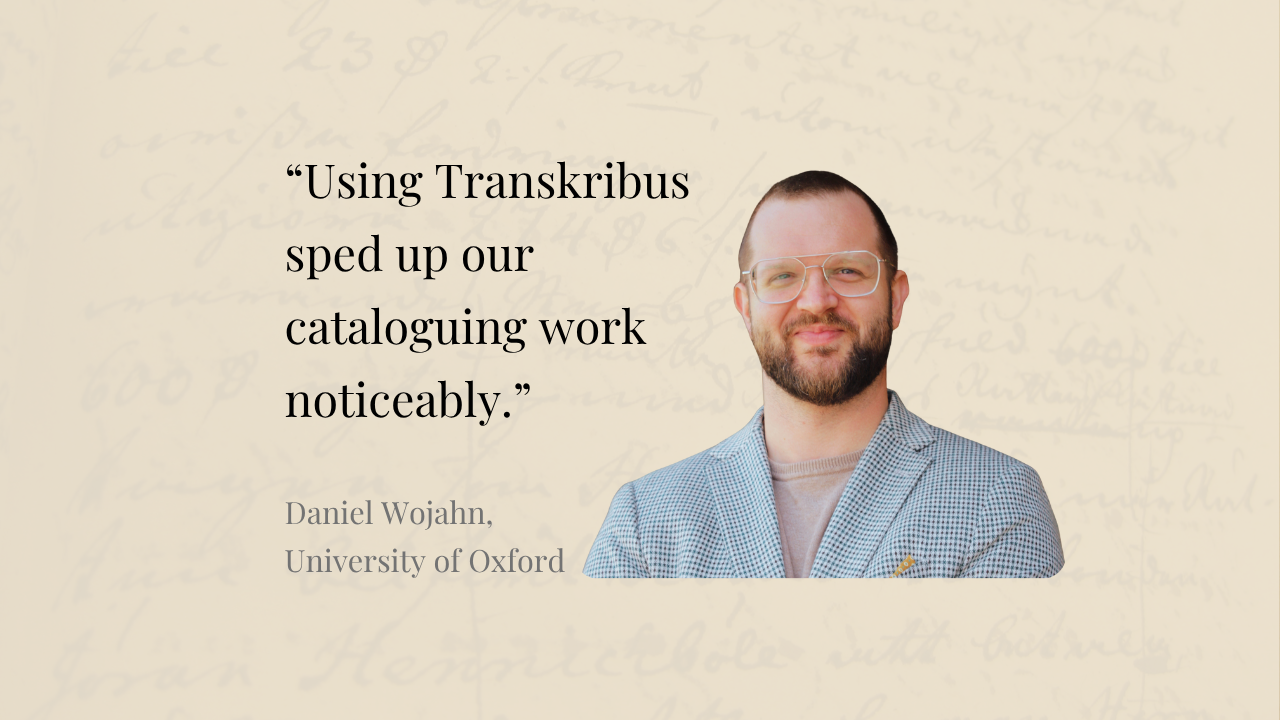
Unlocking Sakya texts: Creating a workflow for cataloguing Tibetan manuscripts
Tibetan is one of the world’s major literary languages, with vast collections of philosophical, religious, historical, grammatical, and medical texts written in the language. It is also the language...
Is it worth training a model on Transkribus?
When you start a project in Transkribus, one of the key decisions you have to make is whether you want to use a public model to transcribe your documents, or invest time training a custom model for...